
Flora Lau’s ‘Luz’ is a film that dares to exist in the liminal spaces between fractured relationships, cultural divides, and even the boundaries of reality itself.
Lau crafts a diptych, two essentially disparate narratives separated by continents, yet echoing each other in their exploration of family, connection and isolation. On one side, a gangster in the underbelly of China wants to connects estranged daughter, a camgirl lost in the internet. Her world of pixelated gamified parasocial intimacy, stands in stark contrast to the gangster’s world, of violence and newfound wealth.”
Simultaneously, in France, a young woman navigates the delicate dance of duty and resentment as she attempts to re engage with her ailing stepmother, an artist, a woman who turns her back on conventional treatments, choosing instead to embrace the fleeting beauty of her remaining days with a fierce, almost defiant joy.
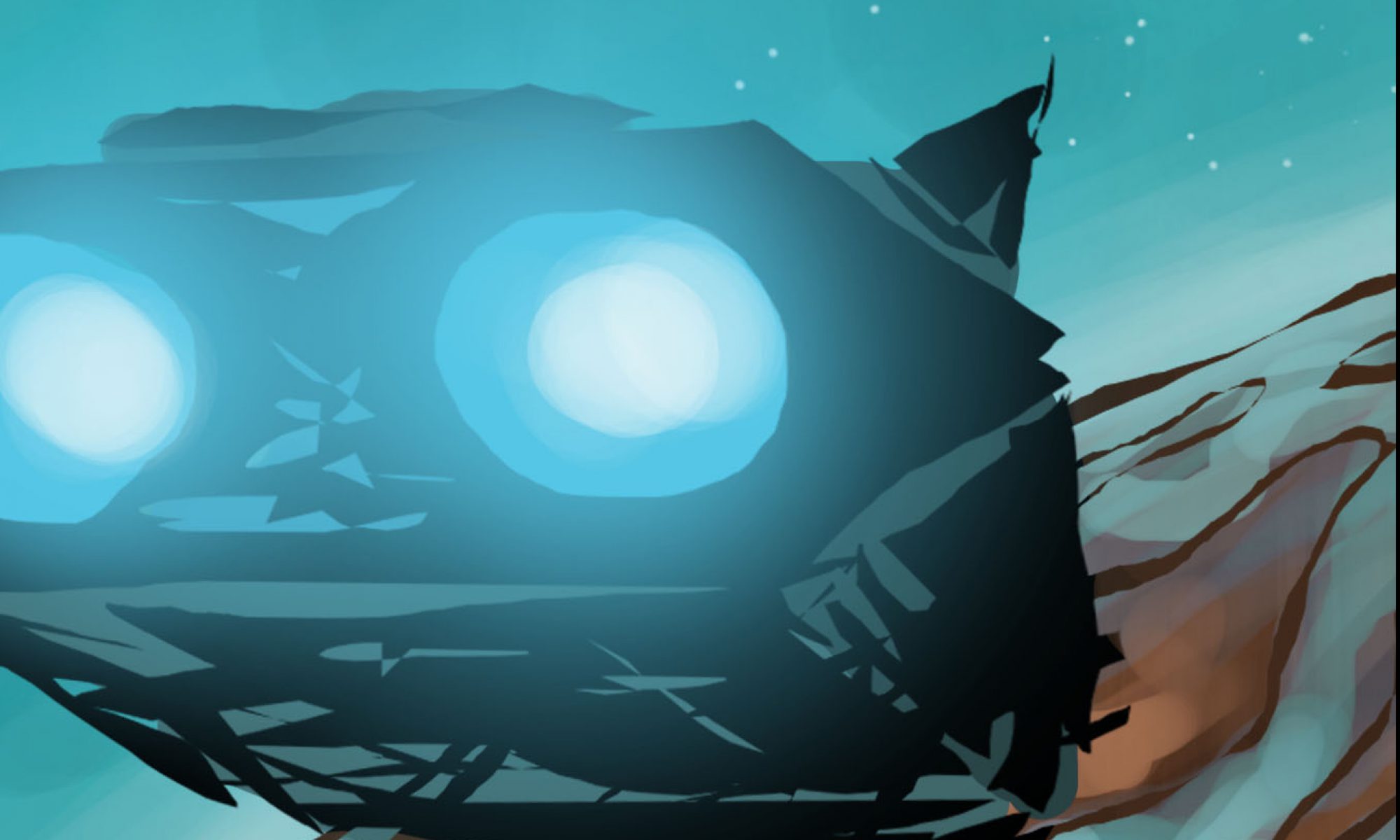
Lau weaves these narratives together with a third thread – a foray into the ethereal realm of virtual reality. VR is a metaphor for the elusive nature of human connection, and also, perhaps a shimmering escape hatch from reality’s harsh constraints
The visual language Lau employs is breathtaking. And the performances are nuanced, affecting, reflecting the complexities of human relationships.
“‘Luz’ is undeniably an art film, one that demands patience. Early reactions at Sundance were mixed, perhaps because audiences anticipated a more conventional narrative. It’s a film that lingers, that prompts contemplation, and is indifferent to familiar plot structures and character arcs.
Lau’s second feature solidifies her as a director with a singular vision, a filmmaker unafraid to challenge conventions and explore the deeper currents of the human experience. ‘Luz’ may not be a masterpiece, but it’s a beautiful, and thought-provoking work that deserves to be seen and discussed.

